



The other party, the consignee, is the company or business that holds the physical inventory. Under this arrangement, the exporter obtains money only when the importer has sold the items to the ultimate client. This global payment system depends on a contract in which a foreign supplier owns the product until it is delivered.
Consignee accounts to the consignor journal entry
Despite the various advantages mentioned above, there are a few factors from the other end of the spectrum that prove to be a disadvantage. The 2,450 reflects the profit made by the consignor on this consignment. The net effect of these postings is summarized in the memorandum income statement below.
Example of Consignment Inventory Accounting
For consignors, consignment is an opportunity to introduce your products to a different market. We hope this guide taught you how consignment inventory works and the accounting vs finance different journal entries involved in the consignment process. It’s important to note that the import duty of 200 is debited to the consignment inventory account.
Journal Entry:
However, the consignment inventory model poses some risks for suppliers. Second, they need to record COGS by debiting cost of goods sold and crediting consignment inventory. Firstly, ABC Co. must record the sale proceeds for goods sold by XYZ Co.
- The consignee does not show consigned inventory on their balance sheet.
- Try Unleashed for free today or book a demo to learn how we can help your business make light work of consignment inventory accounting and stock management.
- It is remitted by the consignee to the consignor of goods periodically.
- Consignment is a type of business model in which a legal owner of goods consigns his or her items to their representative for transportation, transfer, purchase, and so on.
Consignor Records the Consignment Sales and Expenses
Since the risks and rewards of the goods do not transfer due to the transfer, the consignor cannot record the inventory as sold. On receipt of the Account Sales Report from the consignee, the consignor completes the consignment accounting by accounting for the sales and expenses with the following bookkeeping entry. Both the owner and the agent maintain their own records, and the consignment accounting will be different for each party. The main points relating to consignment accounting and goods on consignment are best seen by way of an example.
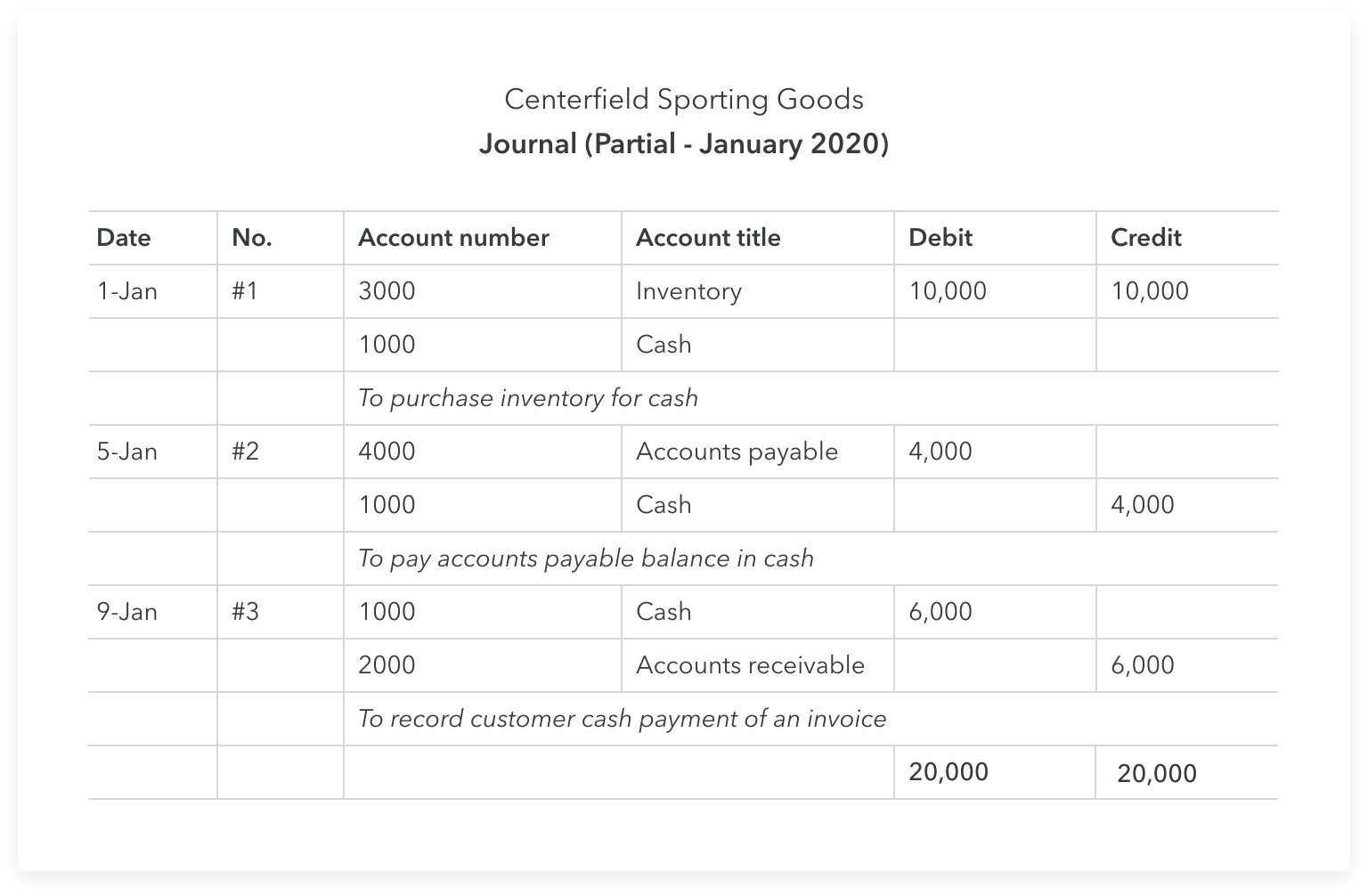
Consignment inventory accounting journal entries
Depending upon the arrangement with the consignee, the consignor may pay a commission to the consignee for making the sale. If so, this is a debit to commission expense and a credit to accounts payable. Balance of consignment account transferred to profit and loss account.
For example, Mr. A is a new author who just releases some books into the market. It is very hard for him to sell the books to the bookstore as the seller may doubt the sales performance of the books. They require to invest some capital on the book which may not be sold, so they may invest in other books which highly likely to be sold in a short time.
A company, ABC Co., transfers its goods to another company, XYZ Co., which further sells its goods to customers. At the start of the year, ABC Co. sends goods valued at $100,000 to XYZ Co. However, some consignors may use the following double entry to transfer inventory into a different account, for the organization. As mentioned, there are usually two parties involved in the consignment deal. The first party, the consignor, is the company that provides the goods.


