



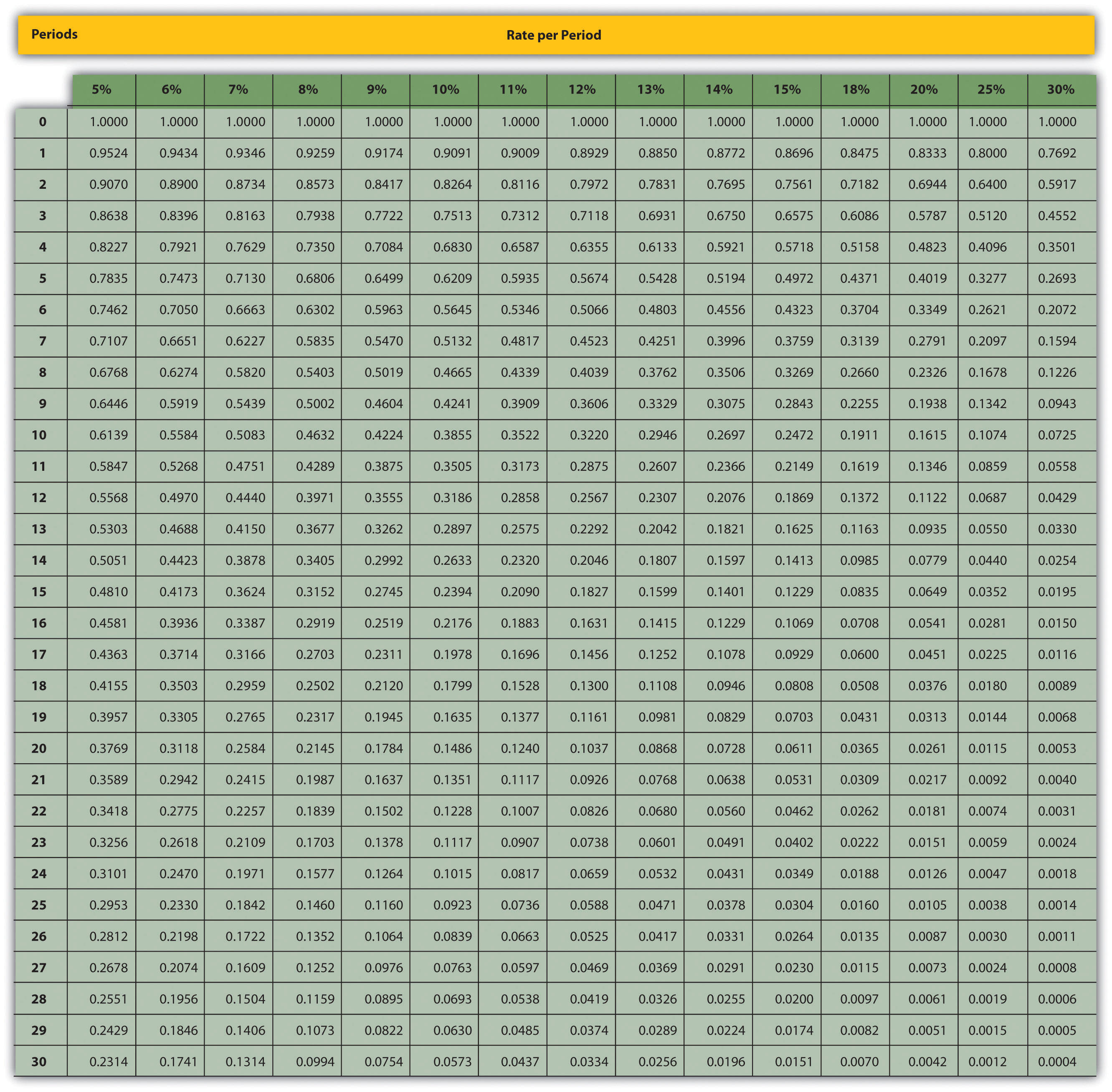
In an annuity table, the number of periods is commonly depicted down the left column. Simply select the correct interest rate and number of periods to find your factor in the intersecting cell. That factor is then multiplied by the dollar amount of the annuity payment to arrive at the present value of the ordinary annuity.
Chip Stapleton: Taxes, Fees & Commissions To Consider With Annuities
To calculate the present value interest factor of an annuity due, take the calculation of the present value interest factor and multiply it by (1+r), with « r » being the discount rate. Opting for fixed annuities means you’ll get a set interest rate and monthly payment over a set amount of time — either a few months, a few years or the rest of your life, depending on your terms. To determine the best annuity companies, CNBC Select looked at various U.S.-based annuity providers, considering market share, fees, surrender periods, minimums and availability.
How are annuities paid out?
If you opt for a variable annuity, be sure you can still afford your expenses even if your payouts decrease. As mentioned, an annuity due differs from an ordinary annuity in that the annuity due’s payments are made at the beginning, rather than the end, of each period. In some cases, CDs may be purchased on the secondary market at a price that reflects a premium to their principal value.
Understanding the Present Value Interest Factor
- The quarterly payments are $4,326.24 and the rate is 12% annually (or 3% per quarter).
- Invested cash is illiquid and subject to withdrawal penalties so it’s generally not recommended that younger individuals or those with liquidity needs use this financial product.
- Since they don’t have as much time to accumulate interest, though, the payments are usually smaller.
- 11 Financial is a registered investment adviser located in Lufkin, Texas.
Finance Strategists has an advertising relationship with some of the companies included on this website. We may earn a commission when you click on a link or make a purchase through the links on our site. All of our content is based on objective analysis, and the opinions are our own. It is important to distinguish between the future value and the present value of an annuity. Figuring out the present value of any future amount of an annuity may also be performed using a financial calculator or software built for such a purpose.
Factors Influencing Monthly Payouts
Income generated from an annuity placed in a Roth IRA would not usually be subject to income tax. Variable and indexed annuities are often criticized for their complexity and high fees compared with other kinds of investments. what is an annuity factor It doesn’t count towards Social Security income, which means you can collect income through other streams like Social Security and retirement funds. As with any investment product, annuities have their benefits and drawbacks.
New York Life Annuities
The annuitant receives a lump sum and gives up their right to some or all of their future annuity payments in exchange. An annuity is a contract that’s issued and distributed by an insurance company and bought by individuals. The insurance company pays out a fixed or variable income stream to the purchaser beginning right away or at some time in the future in exchange for premiums they’ve paid. It’s not the same as a life insurance policy that only pays benefits when the insured dies. The present value of annuity is the current worth or cost of a fixed stream of future payments.
Present value is the value today, where future value relates to accumulated future value. The present value of an annuity refers to the present value of a series of future promises to pay or receive an annuity at a specified interest rate. Index annuities can also be an effective option for those seeking financial security, especially when considering the safety they provide from market downturns. There is a separate table for the present value of an annuity due, and it will give you the correct factor based on the second formula. Some annuity providers have been criticized for charging high fees that dilute the value of the investment.
This would aid them in making sound investment decisions based on their anticipated needs. However, external economic factors, such as inflation, can adversely affect the future value of the asset by eroding its value. Because of the time value of money, money received today is worth more than the same amount of money in the future because it can be invested in the meantime.


